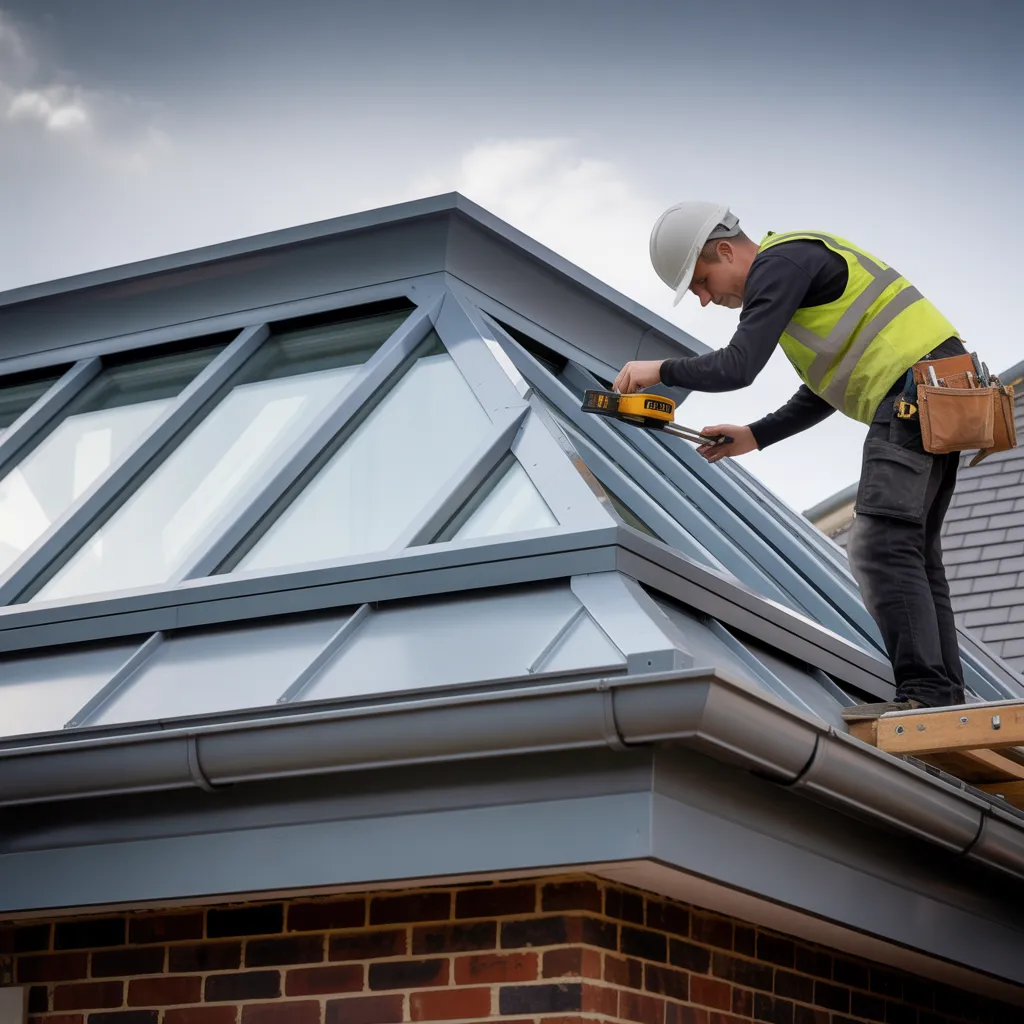
Install Aluminium Roof Lanterns for Enhanced Interior Spaces
Maximize Your Catch: Selecting the Right Fishing Rod for You
Selecting the suitable fishing rod is essential for achieving a productive outing. Various factors influence this choice, including the type of water and the desired fishing technique. Understanding the differences between freshwater and saltwater rods can greatly impact results. Furthermore, features like rod length and material play important roles. Each decision shapes the overall fishing experience. What are the specific elements that can make or break your next catch?
Styles of Angling Equipment: Freshwater versus Saltwater Waters
When choosing a fishing rod, comprehending the difference between fresh water and saltwater selections is essential. Rods for freshwater are ordinarily designed for use in lakes, rivers, and streams, where delicate lures and lines are standard. These rods often emphasize sensitivity to enhance the angler's ability to sense bites from smaller species of fish. They are usually constructed from materials that fight oxidation, but they may not withstand the tougher environments of saltwater areas.
In contrast, saltwater rods are engineered to withstand the demands of ocean angling. These rods are typically more robust, featuring thicker blanks and stronger guides to handle bigger fish and harsher conditions. Saltwater rods also include components that resist rust from saltwater contact, guaranteeing durability. Understanding these differences can significantly impact an angler's success, as using the suitable rod for the setting can enhance both casting performance and overall angling experience.
Important Elements to Search for in a Fishing Rod
Picking the ideal fishing rod requires examining several key features that can greatly affect results and comfort. One critical attribute is the rod’s material, with options including graphite, fiberglass, and composite, each offering distinct benefits concerning responsiveness and durability. The length of the rod is also notable; extended rods permit greater casting distance, while shorter rods enhance control and accuracy.
An important feature is the action of the rod, which establishes how much it flexes under load. Fast action rods are excellent for quick hook sets, while slow action rods offer more flexibility, making them fitting for lighter lures. Additionally, the power rating shows the rod's capacity to handle weight, guaranteeing compatibility with the intended catch. Finally, grip comfort and reel seat quality should not be overlooked, as these elements enhance an enjoyable fishing experience.
Selecting Your Rod with Angling Techniques
Selecting the appropriate fishing rod is crucial for correctly pairing it to particular angling methods. Multiple approaches, such as casting or trawling, or fly-casting, demand equipment suited to their distinctive demands. For case, a quick-action pole is excellent for accurate casting, allowing anglers to exactly set offerings in selected areas. Conversely, a sluggish-action rod is better suited for approaches containing slow retrieves, as it provides increased sensitivity and regulation.
Additionally, the type of bait or lure being used is crucial in rod choice. Heavier lures necessitate a stiffer rod, while lighter baits work better with a more flexible design. Understanding the relationship between rod characteristics—such as power, action, and material—and fishing techniques allows anglers to optimize their performance. By selecting a rod that aligns with their chosen method, fishermen can improve their capacity to successfully catch fish, leading to more productive time spent fishing.
Selecting the Ideal Fishing Rod Length
When choosing the suitable fishing rod length, anglers must assess the advantages of both short and long rods. Short rods offer enhanced control and maneuverability, making them ideal for confined areas and precise casts. In contrast, long rods provide extended casting distance and leverage, assisting those targeting larger species or fishing in open waters.
Short Rod Benefits
Although fishermen often emphasize casting distance for extended range, short rods provide several distinct benefits that can enhance the angling adventure. Such equipment generally provide enhanced agility, enabling for precise casting in tight spaces, such as dense vegetation or stone-lined banks. The shorter length also assists in better control when battling catches, reducing the likelihood of losing a catch. Furthermore, compact poles can be more convenient to manage for extended periods, reducing fatigue during long fishing sessions. They are especially advantageous for techniques like jigging or when angling from watercraft, where room is restricted. In summary, compact fishing poles can be a valuable choice for fishermen seeking flexibility and better control in various fishing conditions.
Extended Rod Benefits
Many anglers find that long staves offer distinct advantages, especially in casting distance and power. The extended length allows for greater casting range, enabling fishermen to reach distant spots where fish may be lurking. This is particularly beneficial in large bodies of water, where accurate casting can attract more bites. Additionally, long rods provide enhanced leverage when controlling tough catches, making it easier to control and land them. They also improve accuracy in casting, allowing for better line control and presentation. Moreover, long rods often facilitate better hook-setting power, especially in situations requiring quick reactions. Overall, the benefits of longer rods can greatly enhance an angler's performance and success on the water.
Material Matters: Carbon vs. Fiberglass
What influence does the choice of material have on a fishing rod's try this performance? The material significantly affects a rod's sensitivity, weight, and strength. Graphite rods are known for their lightweight and responsiveness, enabling anglers to detect even the slightest bites. Their stiffness provides improved casting distance and accuracy, rendering them ideal for delicate methods and targeting species like trout or bass. However, carbon can be more fragile, prone to breaking under extreme stress.
Similarly, fiberglass rods give a more forgiving flex, making them resilient and less prone to damage. They tend to absorb shock better, which can be advantageous when battling larger fish. While heavier than graphite, fiberglass rods are often favored for their durability and flexibility, particularly in saltwater environments. Ultimately, the choice between graphite and fiberglass boils down to personal preference and intended fishing style, each offering distinct advantages tailored to different conditions and techniques.
Guidelines for Testing and Caring for Your Fishing Pole
Familiarizing yourself with the materials that constitute a fishing rod establishes the foundation for suitable maintenance and assessment. Regular inspection is crucial; users should examine for fractures, fragments, or evidence of wear that can influence operation. A uncomplicated flex test can help assess the rod's action and responsiveness; bending the rod carefully can expose its strength and sensitivity.
Cleaning the rod after each use is essential, especially if it has come into contact with saltwater. A gentle fabric and gentle cleanser can effectively remove debris without affecting the surface. Additionally, storing the rod in a safeguarding cover or case avoids unnecessary wear and tear.
Anglers should frequently inspect the guides and reel seat for firmness and smooth working order. By following these tips, users can guarantee their fishing rods continue in peak condition, enhancing their fishing experience and maintaining the lifespan of their equipment.
Often Questioned FAQs
Learn the Ideal Fishing Rod for Novices
The finest casting rod for novices typically offers a balanced action, about 6 to 7 feet in length, and a strong composition such as fiberglass. This blend provides flexibility and accessibility for assorted angling circumstances.
How Much Funds Should I Commit to a Fishing Rod?
Experts suggest investing between $50 to $150 on a fishing rod for beginners. This range combines quality and cost-effectiveness, ensuring a pleasant experience without unnecessary investment, enabling for adjustments as skills and preferences develop.
May I Use a Saltwater Rod in Freshwater?
Yes, a saltwater rod is able to be used in freshwater. However, its design may not improve functionality for freshwater species, and the added protective coating may be redundant, potentially making it a bulkier choice for recreational light fishing.
What indicators reveal that my rod might be excessively heavy?
A rod is judged as too burdensome if casting feels awkward, requires immoderate strain, or brings about fatigue. Additionally, if it struggles to detect faint strikes, it may not serve the target fishing technique effectively.
What Are the Indications of a Harmed Fishing Rod?
Indicators of a damaged fishing rod include detectable cracks, splintering, or bends in the blank. Furthermore, guides might exhibit signs of use or misalignment, and the reel seat may be shaky or damaged, impacting efficiency and safety.